No products in the cart.

Household Electronics That Deliver Daily Value: What Smart Buyers Should Check First
Buying the best household electronics online is less about chasing the newest gadget and more about choosing kit that earns its keep every day. Across African homes and small offices, power cuts, shared spaces, and busy family routines punish flimsy purchases. The right buys keep work, study, and entertainment running without constant repairs or surprise bills.
This Afriyah guide is for practical shoppers: what usually goes wrong, which specs matter, how to compare real value, and where to start browsing on the storefront. We do not invent prices, stock levels, or medical claims. You still confirm product details on each listing before you order.
What buyers usually get wrong
Many shoppers start with looks or a viral review, then discover the device does not fit how their home actually works. Common mistakes include:
- Ignoring power draw and whether the device will sit behind a UPS or inverter during outages.
- Buying for a single “wow” feature while skipping build quality, warranty clarity, and spare-part realism.
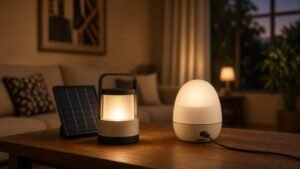
- Assuming every accessory in a lifestyle photo is included in the price.
- Ordering without checking voltage, plug type, cable lengths, or whether the listing matches the exact model shown.
- Treating low price as value when a short lifespan costs more over a year of daily use.
Practical home electronics should solve a clear job: lighting a workspace, keeping devices charged, handling media for the family, or supporting a small business desk. If you cannot name that job in one sentence, pause before you add to cart.
What specs matter most
When you compare everyday electronics and smart home essentials, read the listing for facts you can verify, not marketing adjectives.
- Power and compatibility. Note input voltage, wattage, and whether the product expects continuous mains, USB power, or backup support. Homes that face load-shedding need honest power figures, not vague “energy efficient” claims.
- Duty cycle and environment. Heat, dust, and long hours of use matter for fans, speakers, monitors, and charging hubs. Prefer clear operating guidance over vague durability slogans.
- Connectivity that you actually use. Wi‑Fi, Bluetooth, HDMI, USB‑C, or memory slots only help if they match your phones, TVs, and routers today.
- Noise, size, and placement. Family electronics live in shared rooms. Dimensions, cable exits, and noise levels decide whether a device stays useful or gets shoved in a cupboard.
- Support path. Check return window, who pays return shipping, and how to reach customer service before you commit. Afriyah publishes shipping and returns guidance on-site so you can read the rules before checkout.
How to compare real value
Value is what the product does for you over months of ordinary use, not the first impression in a product tile.
- Write down the daily job (for example: stable desk lighting for evening study, or a speaker that fills one living room without distortion).
- Shortlist two or three listings that state the same core specs in plain language.
- Compare included items in the box, not just the hero image. Accessories shown for lifestyle may be sold separately.
- Weigh power needs against your backup setup if outages are common where you live.
- Prefer clear, consistent titles and descriptions over superlatives. If a claim cannot be checked on the page, treat it as noise.
This commercial check keeps you focused on practical value for homes, families, and small businesses rather than hype cycles.
Recommended product paths on Afriyah
Start broad, then narrow by the job your household needs done.
- Browse the full catalogue on the Afriyah shop and filter toward household and everyday electronics that match your use case.
- Open each product page and confirm price, availability, and included items before checkout. Feed ads, category tiles, and blog guides should match what you see on the product page and in the cart.
- If power resilience is part of the same purchase decision, treat backup and household devices as a system: electronics that sip power are easier to keep online during cuts.
Afriyah’s role here is seller-led discovery with dependable specs and clear pricing on the live listings. Your final check is always the product page itself.
FAQs buyers search before purchase
What makes household electronics a good daily-value buy?
A good buy solves a named daily job, states verifiable specs, includes what the photos imply (or clearly lists extras), and fits your power and space constraints. Hype features you will not use rarely improve value.
Should I prioritise brand names or specifications?
Prioritise readable specifications that match your use case, then confirm brand, model, and condition on the listing. Brand alone does not guarantee the right voltage, connectors, or included accessories.
How do power cuts affect everyday electronics?
Devices with high continuous draw are harder to support on UPS or inverter capacity. Check wattage, whether the device needs a clean shutdown, and whether surge protection or backup is part of your setup before you buy.
Can I return an item if it is not what I expected?
Read Afriyah’s published shipping and returns policy on the website before you order. Material terms such as the return window and who pays return shipping should match what you see at checkout and in account emails.
Where should I start shopping on Afriyah?
Begin at the shop, shortlist by the job you need done, then verify each product page for price, stock status, and inclusions. Use this guide as a checklist, not as a substitute for the listing facts.
Ready to compare practical options? Explore seller-led electronics with clear specs on the Afriyah shop and choose what fits your home’s real routine.