No products in the cart.
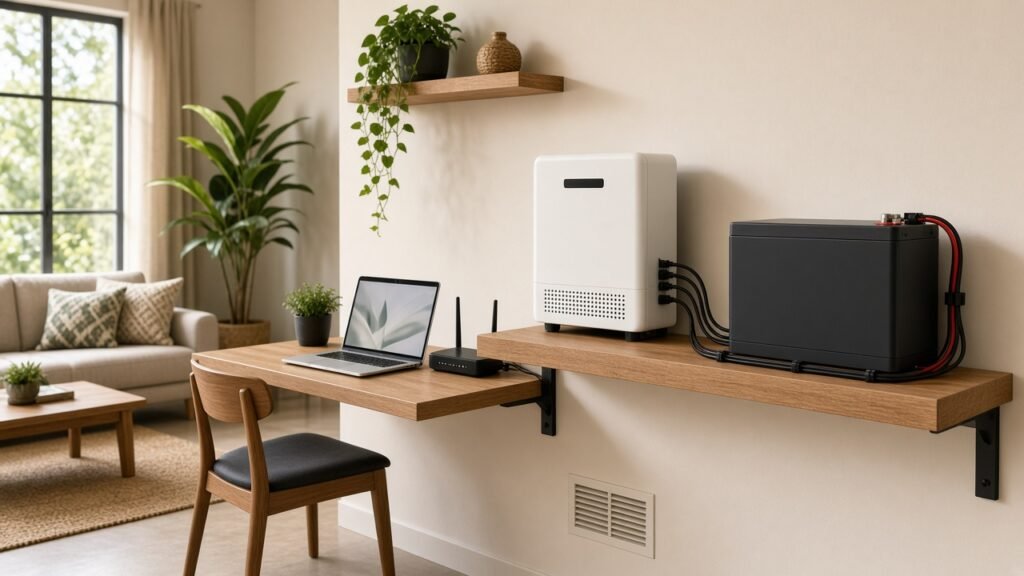
Inverter Battery Care: How to Make Backup Batteries Last Longer
In many African homes the inverter battery is what keeps the router, fan, lights and TV going when the grid drops. When that battery starts fading early, backup time shrinks and a costly replacement comes sooner than planned. Good inverter battery maintenance is mostly simple habits: where the battery sits, how deeply you drain it and how you recharge it. This guide explains the care steps that help a backup battery last, and what to check when you are shopping for a new one on Afriyah.
What buyers usually get wrong
Running the battery flat every outage. Regularly draining a battery to empty, known as deep discharge, is one of the quickest ways to shorten its life, especially for lead-acid batteries. Using less power during long outages and recharging promptly when power returns both help.
Putting the battery in a hot, closed corner. Heat speeds up battery ageing. A battery squeezed into a cupboard, beside a cooker or in direct sun works harder than one in a shaded, airy spot. Good battery ventilation matters for safety as well as lifespan.
Treating every battery the same. Flooded lead-acid, sealed lead-acid and lithium batteries have different care needs. Advice that suits one type can be wrong for another, so always start with the manual for the battery you actually own.
Overloading the inverter. Connecting more appliances than the inverter and battery are rated for drains the battery fast and can trigger repeated shutdowns. Keep heavy loads such as irons, kettles and heaters off a small backup system unless the product listing says it can handle them.
What specs matter most
Battery chemistry. The lithium vs lead-acid choice shapes how you look after the battery. Lead-acid batteries are widely used and usually cost less up front, but they are sensitive to deep discharge, and flooded types need their water level checked. Lithium batteries typically tolerate deeper use and need less routine upkeep, but they rely on a built-in battery management system and a compatible charger.
Capacity and voltage. Capacity is usually stated in amp-hours (Ah) or watt-hours (Wh), alongside a voltage such as 12V or 24V. The battery must match your inverter’s input voltage, and a larger capacity gives more runtime for the same load.
Rated cycle life. Some listings state how many charge and discharge cycles a battery is rated for, often at a stated depth of discharge. Compare these figures only where the listing gives them, and treat them as a guide to battery lifespan rather than a promise.
Charger and inverter compatibility. The inverter’s charging settings should suit the battery type. Charging a lithium battery on a profile meant for lead-acid, or the other way round, can harm the battery. Check the inverter listing or manual for supported battery types.
Built-in protection. Features such as low-voltage cut-off, overcharge protection and overload protection help guard the battery against misuse. Count only the protections the listing clearly describes.
How to compare real value
Start with what you need to keep running and for how long. A router and a few lights need far less stored energy than a TV, fan and laptop together. Add up the wattage of the essentials, then compare batteries and inverters on stated capacity, voltage, chemistry and protection features.
A battery that is sized comfortably for your load is used less deeply on each outage, which is kinder to it over time. A cheaper battery that is drained flat every night may end up costing more if it needs replacing sooner.
Day-to-day care habits that help most batteries last longer:
- Keep the battery in a cool, dry, well-ventilated place, off the floor where flooding is possible and away from direct sun.
- Recharge fully as soon as grid or solar power returns, rather than leaving the battery partly empty.
- Keep terminals clean, dry and tight, and switch off and disconnect before any cleaning.
- For flooded lead-acid batteries, check the water level as the manual directs and top up only with the type of water it specifies.
- Avoid running heavy appliances on a small backup system, and switch off loads you do not need during long outages.
- If the battery swells, leaks, smells unusual or gets very hot, stop using it and seek qualified help.
For delivery and returns on Afriyah orders, rely on the published shipping and returns policy rather than assumptions.
Recommended product paths on Afriyah
Browse Power Backup for African Homes for inverters, UPS units and backup-power products, or start from Shop all products. Keep only listings that state battery type, capacity, voltage and protection features, and check that the product images match the version on offer.
Afriyah sells its own products alongside listings from third-party sellers, so read each listing’s stated specifications rather than assuming every battery or inverter performs the same.
FAQs buyers search before purchase
How often should I check my inverter battery?
Follow the schedule in your battery’s manual. As a habit, look over the battery and terminals regularly for dust, corrosion, swelling or leaks, and check the water level on flooded lead-acid batteries as directed.
Is it bad to drain an inverter battery completely?
Regular deep discharge shortens the life of most batteries, and lead-acid types are especially sensitive to it. Reducing load during long outages and recharging promptly helps. Many inverters include a low-voltage cut-off to stop the battery being drained too far.
Does a lithium battery need less maintenance than lead-acid?
Lithium batteries generally need no water top-ups and less routine upkeep, but they still need a compatible charger, sensible temperatures and good ventilation. Check that your inverter supports the lithium battery you plan to use.
Where is the best place to keep an inverter battery?
Choose a cool, dry, well-ventilated spot away from direct sun, cooking heat and water, and out of reach of children. Leave space around the battery and inverter so air can circulate.
What should I check on the Afriyah product page before checkout?
Confirm battery type, capacity, voltage, inverter compatibility, protection features, condition and what comes in the box, and review the shipping and return terms on the live shipping and returns page.
Build your shortlist faster
List the appliances you want running during an outage, note your inverter’s voltage and supported battery types, and pick a well-ventilated place for the battery before you buy. Then compare trusted inverter, UPS and backup-power products from Afriyah sellers in the Power Backup category, keeping only listings that state their specifications clearly.